
Commercial offices and tenant spaces
Commercial door hardware installation for staff doors, tenant entries, restricted rooms, back-of-house access, service doors, and shared corridors.
Elwin Security plans commercial door hardware installation and low-voltage security wiring for commercial buildings and multifamily properties in Santa Clara and the San Francisco Bay Area, coordinating doors, locks, electric strikes, maglocks, door closers, panic hardware coordination, conduit, power, cabling, access control wiring, intercoms, cameras, and support around the property.
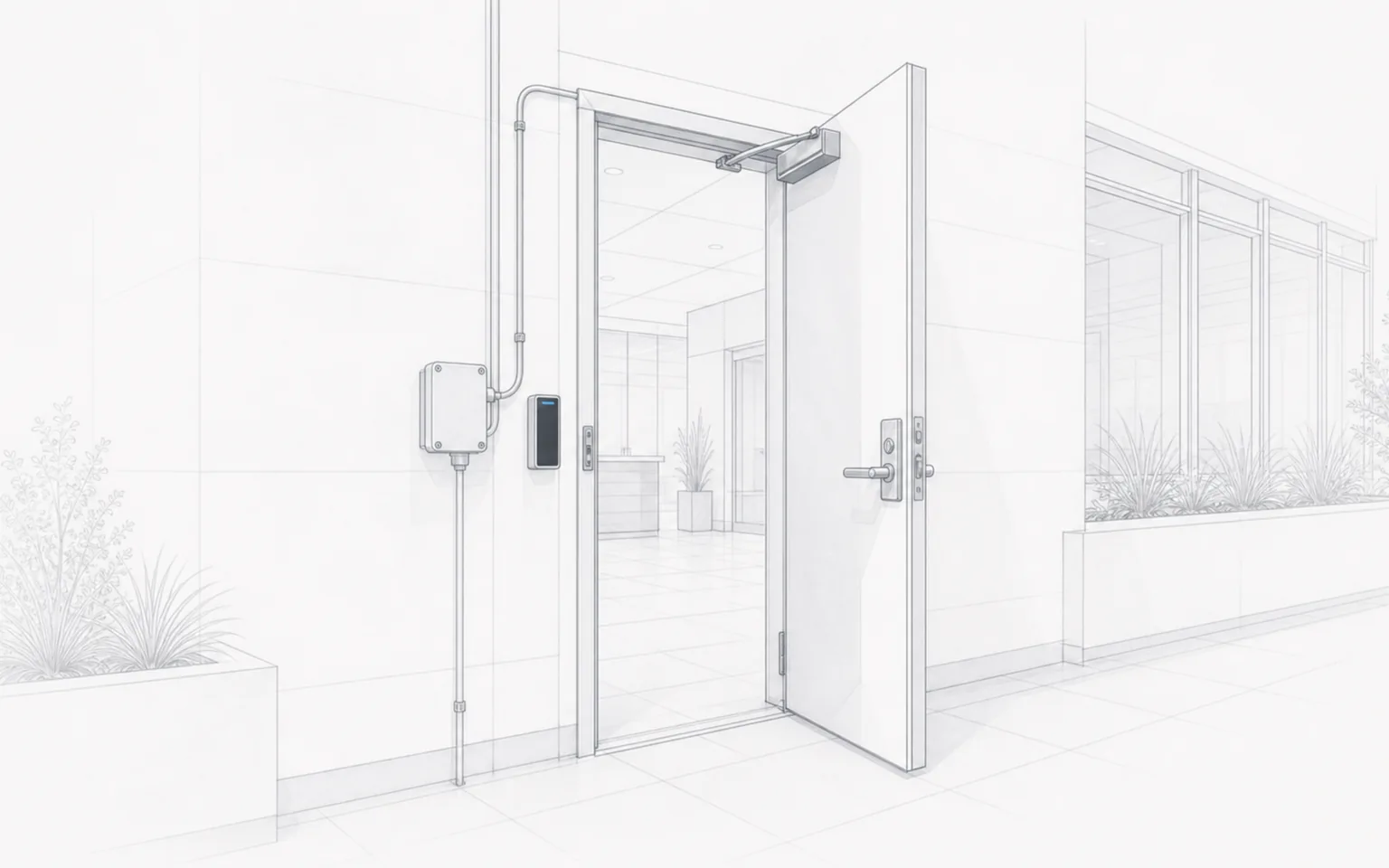
Who this is for
Elwin supports property teams in Santa Clara and across the Bay Area when an opening, lock, strike, reader, or cable path needs to support the whole security system.
Commercial door hardware installation for staff doors, tenant entries, restricted rooms, back-of-house access, service doors, and shared corridors.
Door hardware, low-voltage access control wiring, locks, door closers, conduit, and power paths for resident entries, common doors, package rooms, gates, and service areas.
Electrified door hardware, electric strike installation, maglock installation, door closer installation, conduit, power, wiring, reader paths, and door release coordination.
Where hardware and wiring fit
Access control, intercoms, and cameras only work cleanly when the door hardware, locks, electric strikes, maglocks, closers, power, conduit, and cable path support the same plan.
Commercial door hardware installation needs to account for the door, frame, lock, latch, door closer, panic hardware coordination, reader location, controller path, and daily access behavior.
Electrified door hardware can include electric strike installation, maglock installation, power transfer, request-to-exit behavior, and hardware that supports access control.
Low-voltage security wiring and access control wiring need practical conduit, cable paths, power supply locations, controller placement, and room for future support.
Opening conditions
Door hardware or low-voltage work usually starts with an opening that needs to behave better: a door that needs control, a lock that needs power, or a cable path that has to support access, intercom, and camera work.
Commercial door hardware installation starts with the door, frame, latch, closer, hinges, panic hardware coordination, and the way the opening is used every day.
Electrified door hardware can include electric strike installation, maglock installation, power transfer, and release behavior that needs to work with the access control plan.
Low-voltage security wiring, access control wiring, conduit, power supplies, reader paths, and controller placement need to be planned before the system is treated as finished.
Site walk inputs
A controlled opening can only work as well as the door, frame, hardware, power, wiring, and system context behind it. Elwin checks the physical opening first because many access-control problems are really door, latch, strike, conduit, or power problems.
Doors, frames, locks, latches, hinges, closers, panic hardware coordination, existing hardware, latch alignment, and opening behavior
Electric strikes, maglocks, electrified latch retraction, power transfer, request-to-exit behavior, door position context, and controlled release needs
Conduit, cable paths, access control wiring, low-voltage security wiring, reader locations, controller placement, and power supplies
Access control, intercoms, cameras, gates, existing systems, service access, and the support needs around each opening
System components
Elwin plans mechanical hardware, electrified locking hardware, wiring, conduit, and nearby systems as one working opening instead of disconnected parts.
The door needs hardware that matches the frame, traffic, opening behavior, and daily property use.
Access-controlled doors need locking hardware that fits the opening, release behavior, wiring, and power plan.
Low-voltage wiring needs clean routes between readers, controllers, power supplies, door hardware, and nearby systems.
Door hardware works best when access control, intercom release, camera context, and support are planned together.
Process
The process keeps the physical opening visible from the first site walk through door hardware installation, low-voltage wiring, coordination, and handoff.
Elwin starts with doors, frames, locks, strikes, closers, panic hardware, hinges, conduit, cable paths, reader locations, power, and existing systems.
Result: A clearer opening plan before hardware or wiring gets selected.
The plan explains which openings need hardware work, where wiring needs to run, how power should be handled, and where access, intercom, or camera context belongs.
Result: A plan property teams can review before installation starts.
Door hardware, electrified locking hardware, conduit, cabling, reader paths, controller connections, and related system context are installed or coordinated around the approved plan.
Result: A cleaner install path and fewer surprises at the opening.
The property team gets openings, wiring paths, and system context that are easier to understand, maintain, and support after installation.
Result: A physical layer that is easier to service and build on.
Example scopes
The right scope depends on the opening and the building around it. These examples show the physical hardware and low-voltage details Elwin checks before calling a controlled opening ready.
Controlled staff, tenant, service, and common-area doors where the lock, frame, strike, closer, and reader all need to agree
Electric strikes, maglocks, electrified latch retraction, door release, and request-to-exit behavior around access-controlled openings
Conduit, power protection, reader paths, controller locations, and low-voltage wiring planned before the opening is called finished
Door hardware, intercom release, camera context, and access-control wiring planned around the same physical opening
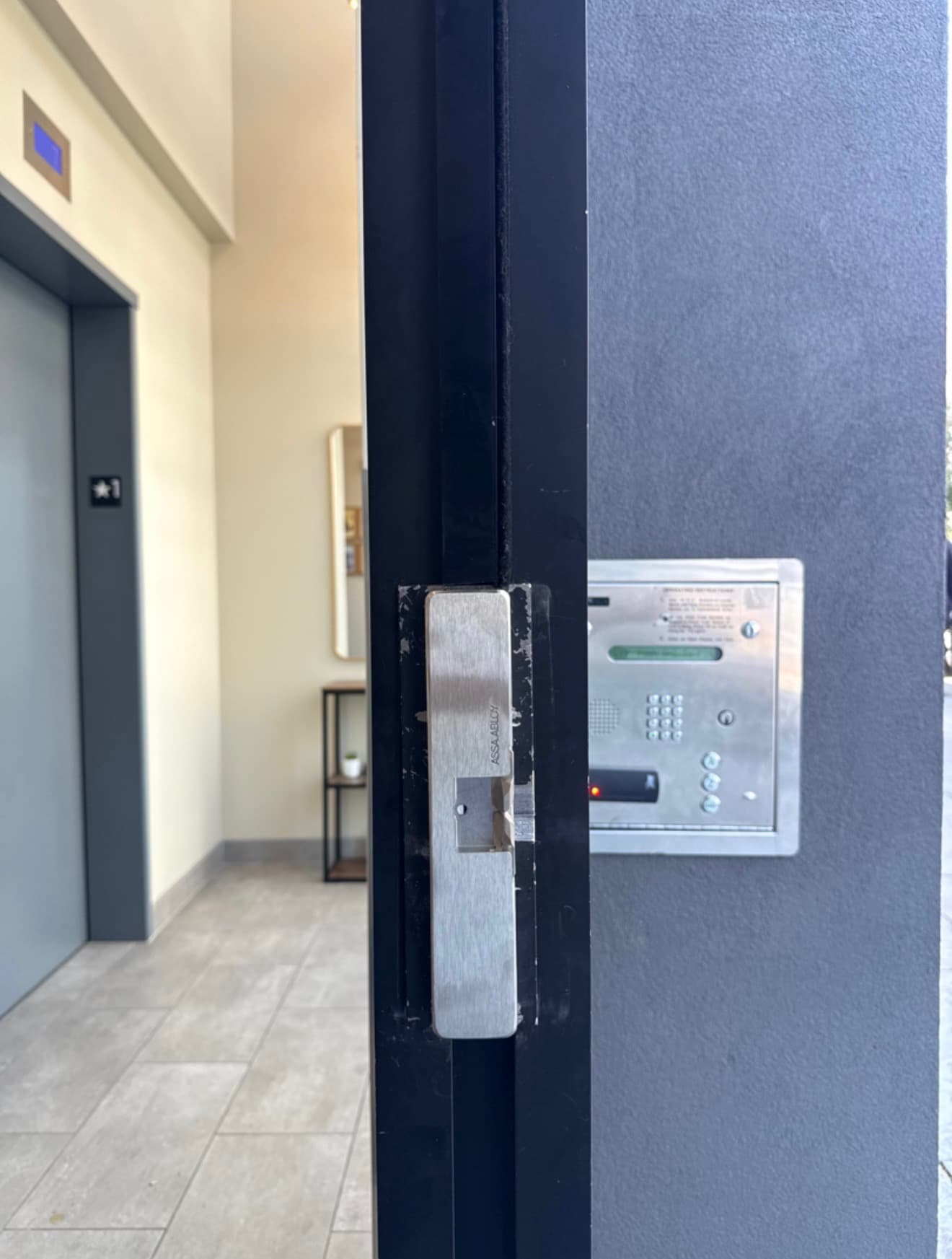
The electric strike, frame, latch, and release behavior have to line up before the access system can work reliably.
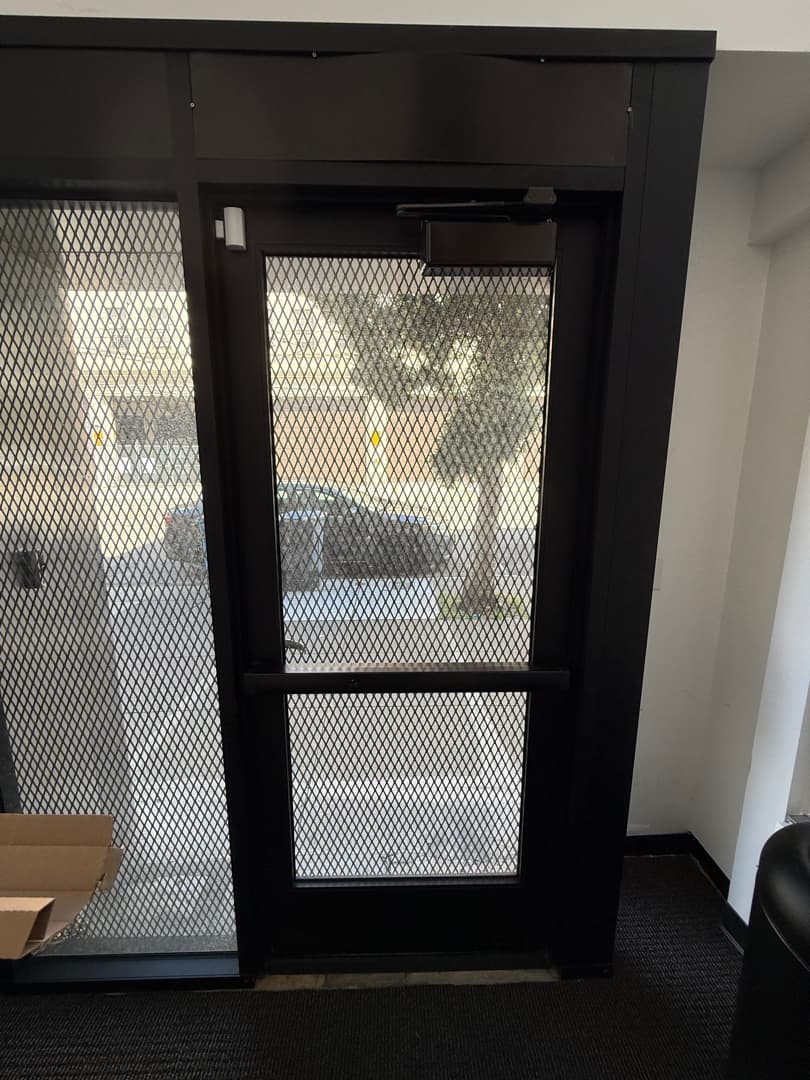
Door closers, panic hardware, readers, and release paths are part of the same physical opening, not separate decisions.
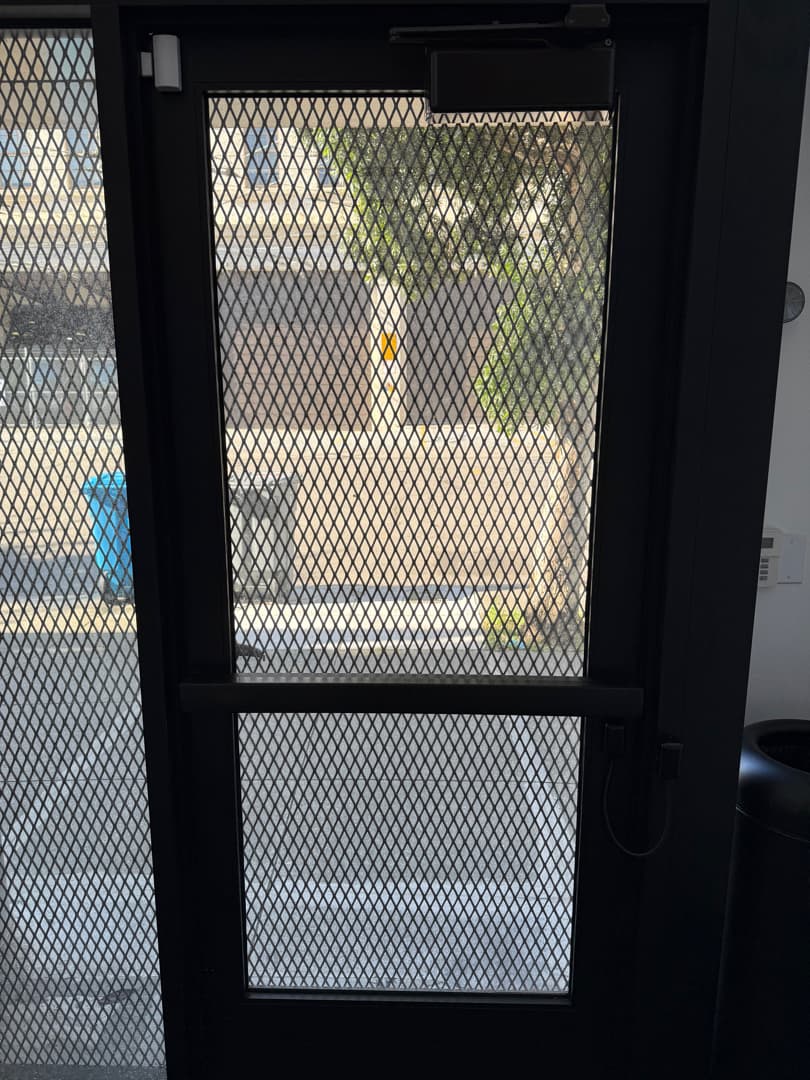
Low-voltage planning is strongest when the wiring path is understood together with the door, frame, and hardware.
Pricing approach
Door hardware and low-voltage wiring pricing depends on the number of openings, door and frame condition, hardware condition, electric strike or maglock needs, door closer condition, panic hardware coordination, conduit paths, power, cabling, access control wiring, integrations, and site conditions. Elwin starts with a site walk so the scope reflects the building instead of a one-size-fits-all package.
Commercial door hardware installation cost depends on the number of openings, door and frame condition, lock or latch requirements, closer condition, electric strike installation, maglock installation, access control wiring, low-voltage security wiring, conduit paths, and coordination with nearby systems. Elwin starts with a site walk so the scope reflects the building.
Door hardware + low voltage
The right hardware and wiring plan starts with the door, frame, latch, lock, strike, power path, cable path, and systems that need to work together every day.
Site walk