
Access-controlled doors
Electric strikes, maglocks, readers, request-to-exit behavior, closers, and controlled latch behavior.
Door hardware
Elwin Security plans and installs electric strikes, maglocks, and door release hardware for Bay Area commercial and multifamily properties, coordinating door condition, frame condition, latch behavior, access readers, intercom release, power, low-voltage wiring, and support.
Use case
Door release hardware is the physical layer that makes access control and intercom entry work.
Electric strikes, maglocks, readers, request-to-exit behavior, closers, and controlled latch behavior.
Door release hardware connected to visitor calls, delivery access, gate release, and staff overrides.
Existing doors and frames that need hardware, wiring, and power reviewed before access control is added.
Service focus
The right hardware choice depends on how access control will release the opening and whether the door is ready for reliable installation.
Strikes need to match the frame, latch, door behavior, power needs, and access-control release logic.
Maglocks need careful planning around mounting, power, request-to-exit behavior, and code-sensitive conditions that require proper review.
Video intercoms often depend on a door release path that is electrically and physically correct.
Site walk
The wrong release hardware can make a strong access-control platform feel unreliable, so Elwin starts with the opening.
Door, frame, latch, hinges, closer, alignment, swing, traffic, and wear.
Access reader release, intercom release, staff override, request-to-exit, and fail behavior.
Power supply, conduit, low-voltage wiring, controller location, and cable route.
Access control, intercoms, cameras, fire or life-safety coordination needs, and support.
Hardware details
Hardware selection depends on the existing door, frame, latch, power, wiring, and systems nearby.
Door type, frame condition, latch alignment, swing, hinges, closer behavior, and wear.
Electric strike, maglock, power transfer, request-to-exit, and door position context.
Access readers, intercoms, controllers, cameras, and user workflow.
Power supply, conduit, cable path, controller location, and future service access.
Process
The process keeps hardware decisions grounded in the opening rather than the access-control device alone.
Review the door, frame, latch, closer, traffic, power, and existing hardware.
Result: The hardware recommendation fits the opening.
Connect strike or maglock decisions with access control, intercom release, request-to-exit, and wiring.
Result: The door behavior matches the system plan.
Install hardware, connect power and wiring, test release behavior, and hand off support details.
Result: The controlled opening works reliably in daily use.
Field proof
A controlled opening needs the hardware, wiring, and software decision to agree.
A reader cannot fix a misaligned latch or unsuitable frame condition.
Intercom release depends on the physical hardware behind the door.
Future service is easier when power and wiring paths are planned cleanly.
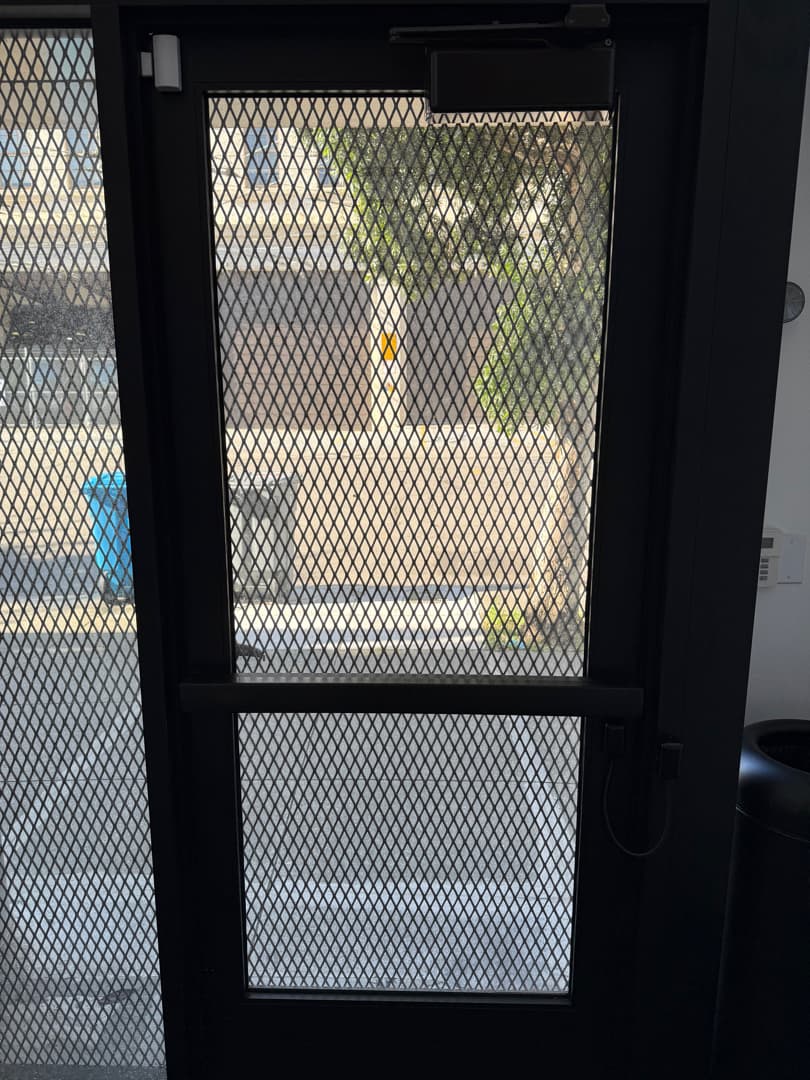
Door release wiring needs to be planned around the hardware and controller path.
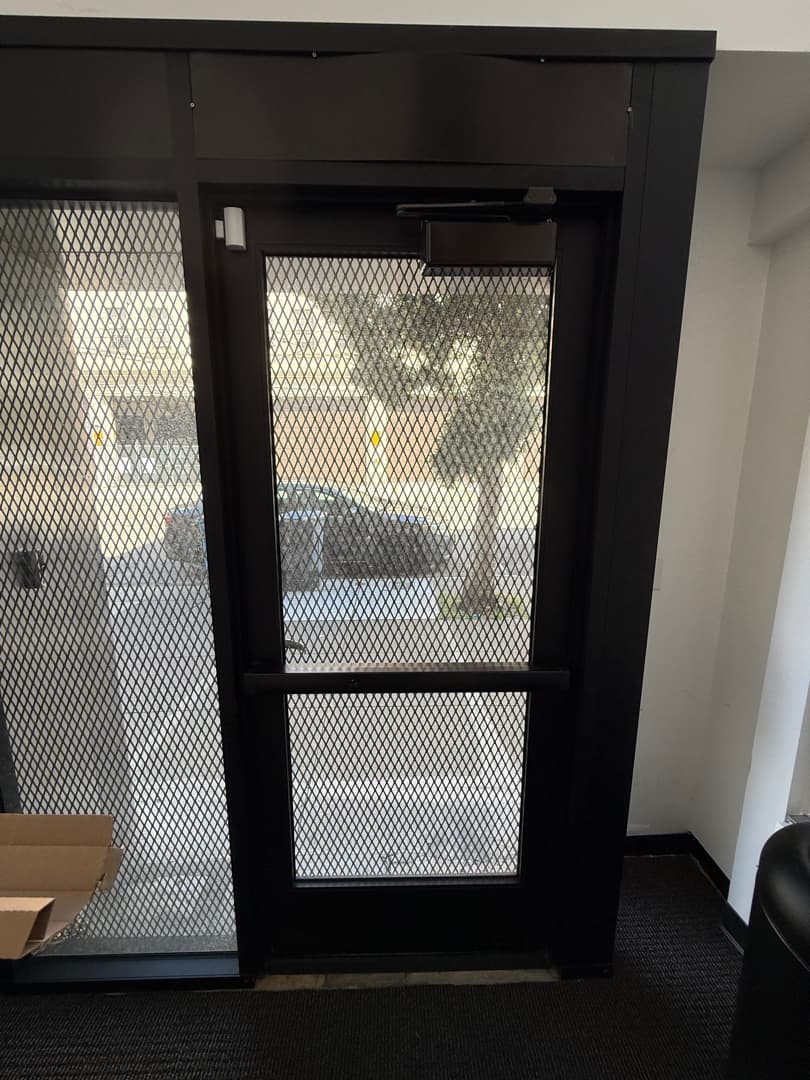
Closers, latch behavior, and door condition affect how controlled access performs.
It depends on the door, frame, latch, traffic, release behavior, power path, and system context. Elwin reviews the opening before recommending the hardware.
Site walk
Tell Elwin what is not working, what systems are already on site, and which access points matter most. The next step is a scope grounded in the building, not a generic product list.
Site walk