
Reader-controlled commercial doors
Staff doors, tenant entries, shared spaces, after-hours access, schedules, and administrator handoff.
Platform focus
Elwin Security supports PDK access control projects for Bay Area commercial and multifamily properties, coordinating reader locations, controller placement, door hardware, gates, credentials, power, low-voltage wiring, configuration, administrator handoff, and future support.
Use case
PDK-focused access control needs field planning so readers, controllers, lock hardware, wiring, credentials, and gates work together after installation.
Staff doors, tenant entries, shared spaces, after-hours access, schedules, and administrator handoff.
Vehicle gates, pedestrian gates, garages, resident entries, amenities, package rooms, and staff areas.
Reader locations, controllers, locks, strikes, power supplies, door position context, and cabling paths.
Service focus
Elwin keeps the platform decisions connected to the conditions at each door, gate, controller, and wiring path.
Each opening needs the right reader location, controller location, hardware behavior, power path, cable path, and access rule.
Fobs, cards, mobile credentials, staff groups, tenants, residents, schedules, and administrator handoff.
Configuration, testing, documentation, training, troubleshooting, and future door additions should be part of the scope.
Site walk
The site walk confirms whether the physical openings, controller locations, wiring paths, and management workflow fit the access plan.
Doors, frames, gates, garages, amenities, shared entries, and any controlled interior paths.
Locks, strikes, maglocks, closers, exit devices, power needs, and release behavior.
Cloud Node or controller locations, network conditions, cabling paths, conduit, power supplies, and equipment access.
Users, groups, schedules, credentials, turnover, staff permissions, and administrator handoff.
System layers
The platform is only one part of the system property teams use every day.
Reader placement, credential behavior, door hardware, lock release, and user movement.
Cloud Node or door-controller placement, power supplies, low-voltage wiring, network conditions, and equipment access.
Vehicle gates, pedestrian gates, shared entries, garages, and multi-door workflows.
Administrator setup, user groups, schedules, credential process, documentation, and support expectations.
Process
Elwin plans PDK work around openings, reader placement, and controller locations before equipment placement is finalized.
Confirm hardware, reader locations, wiring paths, power, Cloud Node or controller placement, and existing access conditions.
Result: The scope is tied to the field conditions.
Plan credentials, users, groups, schedules, gates, shared entries, and administrator handoff.
Result: The platform setup matches the property workflow.
Install the access control layer, configure the system, test openings, and hand off the operating process.
Result: The property gets a usable PDK access control system.
What matters
Reader placement, controller access, door hardware, cabling, power, and access rules all have to support the same workflow.
The reader location should match the way people approach the door.
Controller placement, power, and wiring should be planned before the installation date.
Administrator handoff is part of the system, not an afterthought.
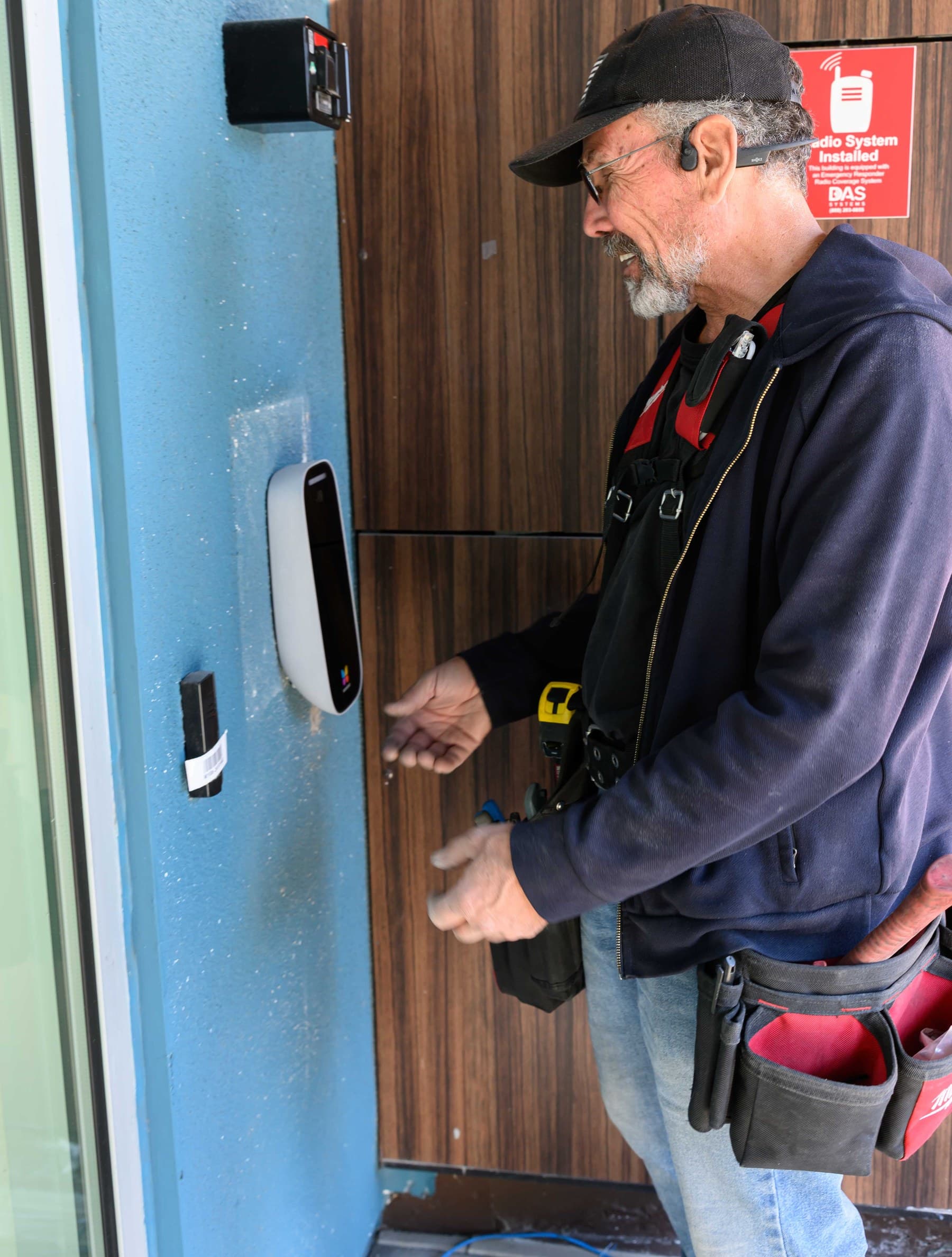
Platform-focused access still depends on the field conditions at the door.
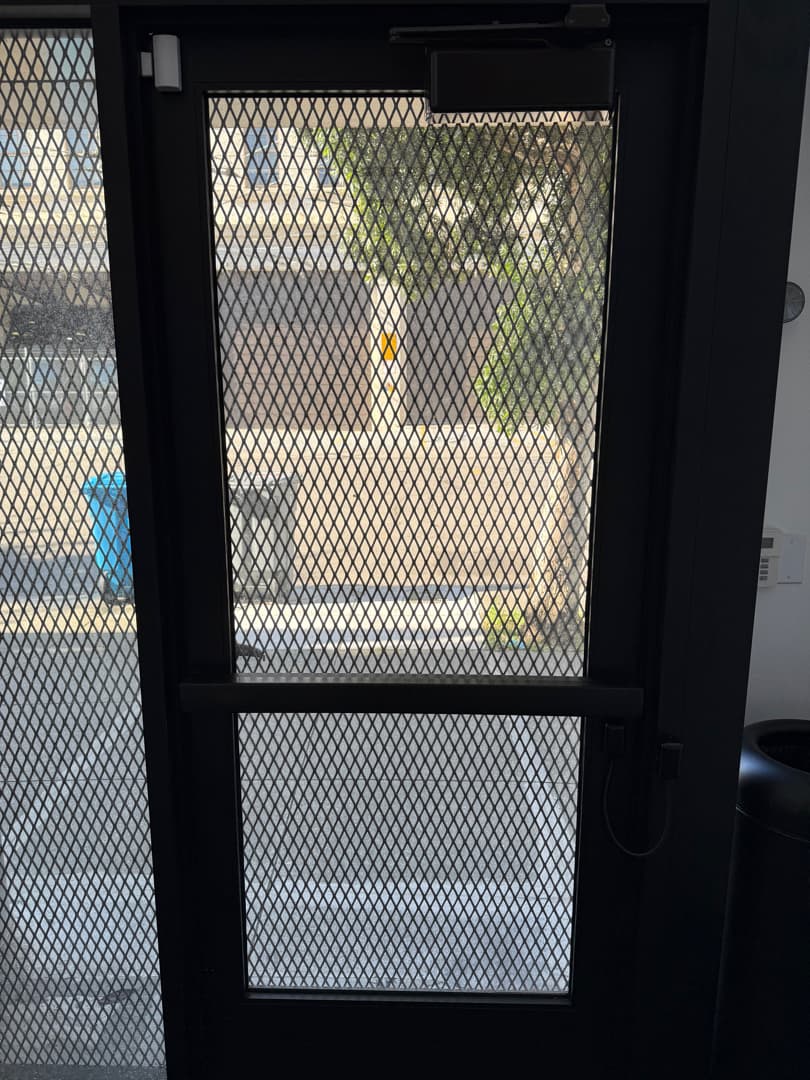
The low-voltage and hardware layer should support the access control behavior.
Elwin can support PDK-focused access control scopes by reviewing doors, hardware, wiring, readers, controllers, credentials, configuration needs, and handoff requirements.
Site walk
Tell Elwin what is not working, what systems are already on site, and which access points matter most. The next step is a scope grounded in the building, not a generic product list.
Site walk